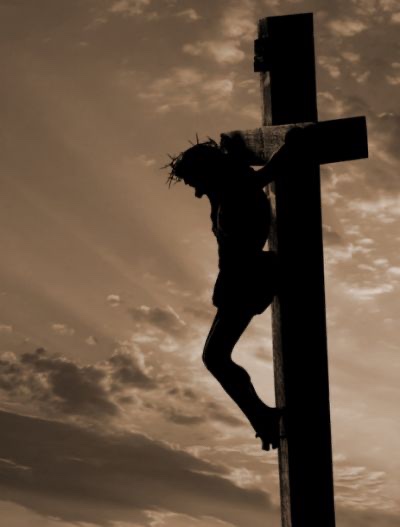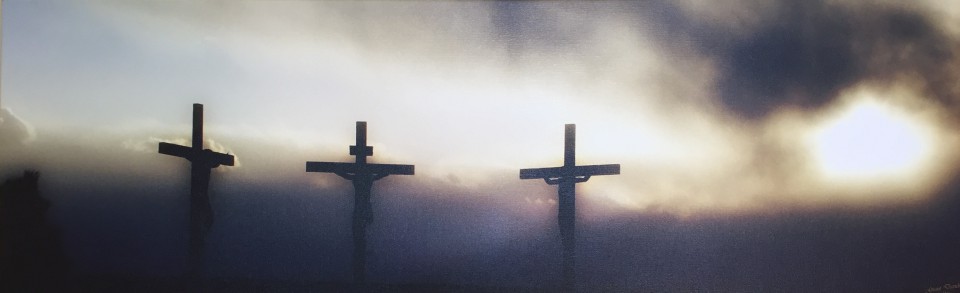
• Home
  • About
  • First Step Counseling

Lord, have mercy…

~ My life. My story.

Lord, have mercy…

Tag Archives: faith

A Turning Point

17 Wednesday Sep 2025

Posted by Janean Tinsley in Jesus Christ

≈ Leave a comment

Tags

Charlie Kirk, christianity, faith, God, Jesus, Jesus Christ

It’s been one week. 

It’s been one week since a voice was silenced.

It’s been one week since a disciple was slain. 

It’s been one week since darkness tried to put out light.
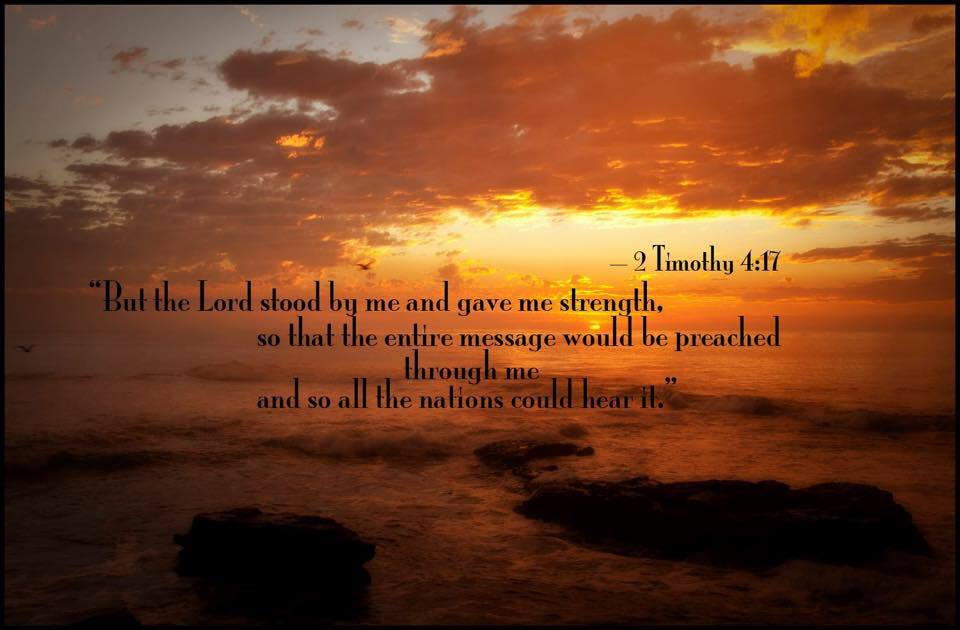
2 Timothy 4:17

But all that has happened is that the voice has grown louder; the disciple became a saint; and the light has grown even brighter. 

Throughout this week, a lot of my clients have shared their hearts about the assassination of Charlie Kirk. There has been a lot of anger and many tears shed. There have been a few clients who have asked some hard questions about faith. But the majority of people in my office over the past week have talked exclusively about the spiritual warfare they are feeling all around right now. A couple of folks even asked, “Am I crazy?” 

No, my friend, you are not crazy. 

“For our struggle is not against flesh and blood, but against the rulers, against the authorities, against the powers of this dark world and against the spiritual forces of evil in the heavenly realms.” (Ephesians 6:12)

We are in a spiritual battle and have been for a very long time. We know in scripture that demons and angels existed, and they still exist. But because we, as Christians, are anchored to Jesus, we know the truth. 

You see, our God is a God of order and distinction. He is the calm in the chaos. The first thing God does in Genesis is give us order. He created the heavens and the earth, then He separated them, making sense out of the senselessness. In the first six chapters of Genesis, God created all these distinctions that are now under attack today. The distinction between male and female, the distinction of human and nature, the distinction between the holy and the profane, the distinction between good and evil, the distinction between infant and adult. Satan’s goals have been to destroy those distinctions from which we get order, and that is what brings satanic chaos into our country, our communities, our schools, and our homes. 

So, yes, our battle is a spiritual one. There is no other way to look at it. Hate for Christ and the order that God created is what has driven the division and chaos within our country. Hate for Christ is what has driven the mutilation of children and the genocide of unborn children. So when the shot rang out that took the life of Charlie Kirk, it really did shake awake dry bones across, not just this country but around the world. The ground in Utah actually shook that day; the earth literally moaned as the evil was unleashed. 

Charlie was taken from us in a vicious act of hatred. Such an act defies full comprehension. How could we, finite and flawed, grasp the depths of such evil? Fear, anger, and confusion can easily overwhelm us. For years, I have sat with men, women, and children in their trauma. I have heard unspeakable stories in graphic detail, left to carry them into my own sleepless nights. But nothing has shaken me like this has. To feel the evil, not just in the violence of his death but also in the violence of the responses from people who deny Christ… as well as those who claim Him to be their Lord. Some have even been directed at me, with name-calling, threats, and insults. Yet, my encouragement is this: stand firm. Not in your own strength or fleeting resolve, but in Christ — His unshakable character, His eternal purposes that the battle is His battle and victory is His victory.

I know that the Lord is weaving something profound through this tragedy, in ways we cannot fathom. We should grieve the loss of a husband, father, courageous truth teller, and brother in Christ. Praise be to God, Charlie is now rejoicing in the presence of his Savior. But you and I? We’re still here. And because we are still here, we have a directive from Jesus Christ: Go and make disciples, baptizing people around the world, telling them everything that He has taught us. 

Yes, God is still using us. God is still active. Look around and you will see it unfolding right before our eyes. People are confessing their need to pray. People are returning to church after years of being absent. Lifelong atheists and agnostics are turning to prayer and purchasing Bibles. Many Christians who shared Charlie’s convictions are no longer hiding from fear of repercussions, instead proclaiming, “I don’t care if people reject me. This is God’s truth, and I’m proclaiming it because I love you and want you to be free from the sin that has imprisoned you.” 

Turning Point USA (TPUSA), Charlie’s organization, has been inundated with over 58,000 new high school and college chapter requests since his assassination. Videos of Charlie sharing the gospel on college campuses are spreading, and vigils honoring his legacy are being held worldwide.

In London, thousands flooded the streets, draped in British and American flags, holding signs that read, “We are all Charlie.” In South Korea, videos capture crowds chanting, “We are Charlie Kirk!” In Canada, Fox News reported massive gatherings singing the U.S. national anthem. Comments from Japan, New Zealand, elsewhere in the U.K., and beyond echo the same sentiment: “We’re hurting here, too.”

To quote Obi-Wan Kenobi to Darth Vader, “If you strike me down, I shall become more powerful than you can possibly imagine.”

I said this a week ago, and it’s been echoed by many tweets, posts, and proclamations. This is a turning point. Charlie’s passion for sharing the Gospel touched millions across generations and borders. I don’t believe he ever could have known the impact he had. But that’s often how it works, isn’t it? We don’t know the impact we might have, so we damn well better make certain we are on the right side of the truth in all ways. And the right side is God’s side. How do you know you are on God’s side? You don’t deviate from His holy word. It was, is, and always will be the complete truth, even if it’s hard; even if it hurts your feelings. 

I condemn the violence and evil that stole him from us, as well as the evil that seems to be more powerful than ever before. Yet, I praise the God who redeems even the darkest evil for good. Charlie Kirk’s death has awakened a lion in the hearts of believers. His death has ignited something inside of me. Through the sleepless nights, the countless tears, the aching heart… I know that the same God who has given me the courage to speak out even though persecuted for it, He is the same God who gave Charlie the boldness to live and die for the gospel of Jesus Christ. And if you think he deserved to die for his boldness in speaking the truth as found in the Bible, then so do I. 

Yes, this is a spiritual battle. But we don’t go into battle alone. God leads us. He has given us the armor we need to survive the battle, and His complete, inerrant word is the sword with which we fight. 

For Christians reading this, I hope you understand we’re living for “such a time as this.” We’re living in a moment that God can, and I pray does, use for revival. The author George Orwell once said, “In times of universal deceit, telling the truth will be a revolutionary act.” Disciples, let this define you. Proclaim truth. Stand firm in the word of God. Stand tall when evil threatens. Speak boldly, even when hatred seeks to silence you.

“So do not be ashamed of the testimony about our Lord or of me his prisoner. Rather, join with me in suffering for the gospel, by the power of God.” (2 Tim 1:8) Oh, to be a truth teller. It’s not for the faint of heart. Jesus didn’t sugarcoat the reality that we will be hated for our faith. He never glossed over the fact that standing firm in His truth would be a tall order. But it is more than exceedingly worth it. It’s what we were made to do. 

“But the Lord stood by me and gave me strength, so that the entire message would be preached through me and so all the nations could hear it. And I was delivered from the lion’s mouth.” (2 Tim 4:17)

May this be the turning point that wakes you up. No more hiding in the shadows, afraid to speak. Now is the time to speak against the lies, sin, and brokenness in this world.

“In the beginning was the Word, and the Word was with God, and the Word was God. He was with God in the beginning. Through him all things were made; without him nothing was made that has been made. In him was life, and that life was the light of all mankind. The light shines in the darkness, and the darkness has not overcome it.” (John 1:1-5)

Share this:

  • Click to share on X (Opens in new window) X
  • Click to share on WhatsApp (Opens in new window) WhatsApp
  • More
  • Click to share on Facebook (Opens in new window) Facebook
  • Click to print (Opens in new window) Print
  • Click to email a link to a friend (Opens in new window) Email
  • Click to share on LinkedIn (Opens in new window) LinkedIn
  • Click to share on Reddit (Opens in new window) Reddit
  • Click to share on Pinterest (Opens in new window) Pinterest
  • Click to share on X (Opens in new window) X
Like Loading...

Quote

Your Tears Matter

22 Monday Jul 2024

Posted by Janean Tinsley in My Story. My Faith., Pain

≈ Leave a comment

Tags

faith, God, Jesus, Jesus Christ, mental health, pain

I was sitting in a local coffee shop recently waiting for a friend to arrive. There were several people there laughing and chattering. As I took in my surroundings, I noticed that in between the loud laughter, they would lean in to share with one another. And on their faces, in the midst of the whispers, was an etching of pain. I could see it because I felt it, too. Not long after my friend, she asked me, “So, how are you doing really?” The lean in happened and then the tears started to fall. I can’t even tell you where they came from but in that moment, I felt both relieved and ashamed. I’m the counselor. I’m the one who has the answers. I’m the pastor. I’m the carrier of everyone else’s pain.

There is a lot of pain in the world right now. I know this isn’t surprising to anyone but seriously, there is a lot of pain. One person after another comes to me expressing pain so deep they can’t articulate it. And it too often leaves them feeling invisible, alone, forgotten.

But guess what? God sees your tears. And He sees mine, too.

I believe God put Psalm 56 in the Bible for people who feel forgotten in their pain. This Psalm says that every tear David has cried, God has placed in a bottle. It’s this intimate imagery that God is near in our hurt. The God of the universe, hearing millions of prayers at any given time, is aware of every tear that leaves your eyes.


PSALM 56:8-11

You have kept count of my tossing; put my tears in your bottle.

Are they not in your book?

This I know, that God is for me. In God, whose word I praise, in the Lord, I shall not be afraid.

Just let that sink in for a moment. There is not a single drop that has fallen from your eye that God has not seen. Ever. Every burden, painful moment, and anxiety you have faced, God knows about it.

WHY WOULD GOD CARE?

Are you one of those people who thinks crying is a sign of weakness? Maybe you heard as a child to “stop crying.” Or, “big boys/girls don’t cry.” If crying is wrong, why do we do it? Why would God create a body so intricately made, with such amazing abilities, to have tears?Why would God create a physical response to coincide with our emotions? I think He doesn’t want us to be alone.

When I was crying on my friend’s shoulder, she wasn’t telling me to be quiet, suck it up, or that it would be okay. She just sat in the silence with arms outstretched. It was as if God Himself were there in that moment holding on. There’s a scene in the 4th season of The Chosen when Thomas is about to lose his mind in grief and Jesus is standing there. Thomas looks up and it’s as if the entire world melted away as he fell into Jesus’s arms. No words just love. It’s a beautiful scene depicting the love we can feel from God.

Think about how difficult pain is when you are alone in it. We all secretly crave for someone to walk with us in our pain; to simply be there in the midst of the heartache. But too often we try to hide it from the very people God has sent to be a support system. But it’s our tears that communicate what we often can’t say: “I need help. I need love. I need a hug.” If they speak of our pain to those around us, how much more do they speak to God?

I think Psalm 56 is important because we need to know that God isn’t a god of just words. He is a God of action. He says, “I not only see that you have pain, I am going to keep a record of it because you are that important to me.”

Is there any other god that people worship who love like that? NO! Our God tells us that He is aware of every tear we cry. And every tear we suppress because of some silly idea that we aren’t supposed to shed tears because it’s silly, weak, or foolish is simply preventing us from fully feeling the love of God through those He sends on our path.

BUT DOES HE REALLY HEAR

God is not oblivious to the brokenness in our heart. He is not apathetic to our pain; those moments when we cry out that it’s not supposed to be this way or that way. He doesn’t pick and choose which struggle or pain He will walk with us through. He’s there for it all because He understands. Because Jesus felt the hurts we feel. (Hebrews 4:13-16)

Jesus was sometimes lonely.

Jesus experienced abandonment from God on the cross.

Jesus felt the overwhelming anxiety in the garden when he was sweating blood.

Jesus lived day after day with people who doubted who He was, constantly being misunderstood.

Jesus wept at the loss of his friend, Lazarus.

In God, we do not have a king who is so lofty and above our difficulties that He scoffs at our tears with disdain. No, we have a King who has descended into the pain with us. You do not cry alone.

Jesus hears you. He sees you. He weeps with you. We have his promises to comfort us and to help us trust in the Lord when it is difficult to see the reasonings and the whys. And for those of us who know the Lord as our personal savior, when we take our final breath, we will hear with our own ears and feel on our own faces, the gentle hands of God, wiping away our tears—

Revelation 21:3-5

And I heard a loud voice from the throne saying: “Behold, the dwelling place of God is with man, and He will live with them. They will be His people, and God Himself will be with them as their God. He will wipe away every tear from their eyes, and there will be no more death or mourning or crying or pain, for the former things have passed away.” And the One seated on the throne said, “Behold, I make all things new.”

Photo Credit: Marina Pechnikova on Pexels.com

Share this:

  • Click to share on X (Opens in new window) X
  • Click to share on WhatsApp (Opens in new window) WhatsApp
  • More
  • Click to share on Facebook (Opens in new window) Facebook
  • Click to print (Opens in new window) Print
  • Click to email a link to a friend (Opens in new window) Email
  • Click to share on LinkedIn (Opens in new window) LinkedIn
  • Click to share on Reddit (Opens in new window) Reddit
  • Click to share on Pinterest (Opens in new window) Pinterest
  • Click to share on X (Opens in new window) X
Like Loading...

Lamenting in Faith and Suffering

24 Friday Jun 2022

Posted by Janean Tinsley in My Story. My Faith.

≈ Leave a comment

Tags

faith, lament, pain

It’s been nine years to the month when life seemed to just bottom out. Nine years. It’s really hard to believe that nearly a decade has passed. It’s even harder to believe that I find myself here once again.

In June 2013, my family and I received the news we were really hoping to avoid. Not enough of an income meant we would lose our forever home. It was such a horrific blow. That house was the place of so many firsts for us. It was our safe place. Our memory-holder. Our home. And we could no longer call it ours. Earlier in that year, my husband had lost his job and had been unable to secure employment since then. I was working but a therapist makes peanuts so my paycheck couldn’t keep up with the monthly expenses. We were forced to wave the white flag.

I remember going through different waves of emotions. Why was this happening? Where was God? When would it end? We lost several friends during that time whom we believed were true and solid in our lives. But some people don’t like messy. And we were definitely messy during that point. On the other hand, we also discovered some friends we never really knew we had. People who walked with us in our messiness and didn’t mind getting a little dirty along the way. And we saw God. Often.

It was a very difficult time. I can remember literally counting coins in order to pay for things we needed but then out of blue, in the most difficult of moments, God provided. There were times when I wondered if we would ever feel anything other than sadness again and then God would give me a glimpse of the joy I possessed deep within because of Him. It was a long road.

But time goes on. The sun kept shining. The earth kept spinning. And we eventually found our way back to a place of normalcy. We stopped merely surviving and began living again. And we were very thankful to God, giving Him all of the glory for the successful climb out of our deep pit.

Somewhere during this past decade, we lost sight of an important lesson Jesus taught. Just because we’ve already been through a trial, that didn’t exempt us from future trials, no matter how close we walk with Jesus Christ.

In Matthew 5:45, Jesus said, “{God} makes the sun rise on both good and bad people. And he sends rain for the ones who do right and for the ones who do wrong.”

If you are anything like me, that isn’t a verse you spend a lot of time on. I mean, seriously, I’m a good person and do the right thing so God’s sun will shine on me, right? Yes, but so will the rain… and wind… and the thunder and lightning. The bad doesn’t stop just because the good is there. As Jesus said, “In the world, you will have tribulation…”

Unfortunately, I was not prepared for more tribulation in my life.

Last week, my husband’s work contract came to an abrupt end. No warning. No time to make plans. Just an ordinary Wednesday that would become a mass of chaos with one phone call. “And he sends rain for the ones who do right and for the ones who do wrong.”

Blessings surround me.

I see them.

I give thanks for them.

But… I’m angry.

I cannot count the number of times I have said to God, “I love my life. Thank you.” After the turmoil of 2013, life was pretty simple but very good. We were able to buy a home after house-hopping for a few years. It’s a cute little house nestled into some trees on a hillside. We’ve made some renovations and put lots of love into it. It’s become our home and we love it. We’ve managed to take some family trips to the coast. That’s always been my favorite getaway. We go out to eat more than we should and we buy things we definitely don’t need. But it has been a pretty simple life over these past few years.

I am a business owner and really proud of the work I do in the mental health field. Honestly, I give away a lot more than I make. I love my patients and desire to point them to God in the midst of the struggles they are in. My husband poured his heart and soul into his patients. It was a specialized practice focused completely on substance abuse treatment. His passion for it comes from his experiences surviving it. He didn’t just see his patients, he empathized with them. He listened and he gave them hope. Between the two of us, we spent most of the past few years dedicating our lives to serving God by serving his hurting world.

So the question that immediately sprung to my mind upon hearing the news was, “Why God?”

It’s too easy to get into the mindset that the bad stuff can’t touch me because we’ve already had our fair share of it. How completely vain for me to think that. What promise has God ever made that the bad stuff has a limitation? None! And yet, I was walking through life as if I was somehow immune of any further tribulation.

C. S. Lewis said, “There is no such thing as a sum of suffering, for no one suffers it. … If tribulation is a necessary element in redemption, we must anticipate that it will never cease till God sees the world to be either redeemed or no further redeemable.” (The Problem of Pain).

And there it is. Tribulation is necessary and my family is definitely not immune. But dang it, it is hard to live in the constant void of the unknown. It’s difficult to describe what it’s like. There is just a constant feeling of walking a high wire over a bottomless cliff.

“I am worn out from my groaning. All night long I flood my bed with weeping and drench my couch with tears. My eyes grow weak with sorrow; they fail because of all my foes.” Psalm 6:6-7

For several years I cried this lament daily. I felt David’s anguish when he said, “My God, I cry out by day, but you do not answer, by night,I find no rest.” And to be honest, I’m not real thrilled about experiencing that anguish again. Unfortunately, you can’t stop this stuff from coming. And with it comes anger and even some doubt.

I may feel David’s cries of “My God, my God, why have you forsaken me?” and think, “I should not feel this way! I am losing my faith!”But my lament is in good company with our spiritual fathers and their faith journeys.

In the Scriptures, faith is not simply an intellectual feeling. It is the trusting of my entire being to God. At times, we all will likely experience God’s absence; and right now I certainly feel alone and confused. So doubt creeps in.

But praise be to God, doubt is not opposed to faith; despair is. When the father in Mark 9 brought his son to Jesus for healing, Jesus encouraged the father to have faith. He replied, “I do believe, help my unbelief!” (Mark 9:24). Yes. That is the conflict.

Even Saint Paul tells us he was “perplexed, but not driven to despair” (2 Corinthians 4:8). In despair we give up on our relationship with God. Doubt, on the other hand, is a sign that our faith is alive and kicking; it is part of the rhythm of faith itself.

Lament is not a failure of faith, but an act of faith. We cry out directly to God because deep down we know that our relationship with God counts; it counts to us and it counts to God.

Even if I currently do not experience the closeness of God I want to feel, I believe that God does care. Even if God seems not seem to hear, I believe that God is always within shouting distance. In the Scriptures, God does not say, “Do not fear, I will take away all the pain and struggle.” Rather, He says, “You have no need to fear, since I am with you” (Genesis 26:24; Exodus 3:11-12; Matthew 14:27).

In this light, the “cursing psalms” make sense. They have often been a particular stumbling block. We need to recognize, first, that they are clearly spoken out of great pain and distress. The feelings are really in the psalms, and at times they are really in us.

God, this is the way I feel; I leave it to you. And even though God has never been known to do what I want or when I want it, I know the only way through this tribulation is to let God deal with it.

Although right now I can truly relate to many of the psalms and the anguish they spell out, almost all of the lament psalms end on a sudden turn to praise. We can’t leave that part out. It is only after we lament, after we face and express the pain and negativity and get it all out, that healing can begin. In more theological terms, we can say that it is only by facing and going through the death that we can come to new life, to resurrection.

The structure of lament tells us that it is possible to praise too soon. The psalmist takes the time to let all the pain and anger out before the praise can set in. So, today, I am not really ready to praise. But I will. I always do. He is forever faithful in his mercy and grace.

We are afflicted in every way, but not crushed; perplexed, but not driven to despair; persecuted, but not forsaken; struck down, but not destroyed; always carrying in the body the death of Jesus, so that the life of Jesus may also be manifested in our bodies. (2 Corinthians 4:8-10) This will be my praise. This is always my praise.

Share this:

  • Click to share on X (Opens in new window) X
  • Click to share on WhatsApp (Opens in new window) WhatsApp
  • More
  • Click to share on Facebook (Opens in new window) Facebook
  • Click to print (Opens in new window) Print
  • Click to email a link to a friend (Opens in new window) Email
  • Click to share on LinkedIn (Opens in new window) LinkedIn
  • Click to share on Reddit (Opens in new window) Reddit
  • Click to share on Pinterest (Opens in new window) Pinterest
  • Click to share on X (Opens in new window) X
Like Loading...

Time To Return

23 Monday Aug 2021

Posted by Janean Tinsley in My Story. My Faith., The Church

≈ Leave a comment

Tags

faith, Jesus Christ, mental health

light dawn people table
Photo by Tima Miroshnichenko on Pexels.com

Therefore, the Lord proclaims:
If you return to me, I will take you back
    and let you stand before me.
If you utter what is worthwhile,
        not what is worthless,
    you will be my spokesman.
They will turn to you,
    not you to them!
— Jeremiah 15:19

Wait. What did he just say?

“If you return to me…”

Why have I never heard this verse before? And why now?

I was sitting in church, only our second visit to this particular one, and the words uttered by the pastor seemed to scream at me. “If you return to me…” It wasn’t a coincidence. I actually don’t believe in them. It was a direct word from God to the core of my soul. At that moment, those words were meant for me and me alone. I felt that a spotlight was shining down on me, calling me to once again take my rightful place as a spokesman for God. Now the answer was up to me.

“If you return to me…”

To say I can be stubborn would not be completely off base. But I didn’t really consider that I was stubborn with God. I actually thought I was rather obedient. But the light had definitely been turned on to highlight my sinful ways. The truth is, I didn’t realize I had ever left God. Clearly, I had.

I was called to ordained deacon ministry many years ago for those who may not be familiar with my backstory. Coming from the Greek word diákonos (διάκονος), my calling was to mimmick that of Phoebe and Stephen, as a messenger or servant of God.

What exactly was my calling? It was mental health counseling, specifically as a Biblical counselor. Sometimes it would be in an office setting. Other times, it would be in another country. It was often trauma-related, and always spiritual. I was mandated by God to not only share the Gospel, but to also Go and make disciples of all nations, baptizing them in the name of the Father and of the Son and of the Holy Spirit, and teaching them to obey everything I have commanded you. — Matthew 28:19-20 I was called to deliver the message to those in need that their healing could only come from Jesus Christ.

Because of the uniqueness of my call, God set me apart to live a higher standard, thus, ordaining me before Himself and the Church. I had absolutely no desire to be ordained. But God wouldn’t leave me alone. From the time I was a young girl, I fought with God about my life and what I would do with it. Even after obtaining my mental health license, God continued to convict me in my work. I would offer people secular tools to deal with their problems, knowing in my heart that I was denying them the one thing that could ultimately heal them. In the end, I surrendered to God, knowing the tremendous amount of pressure I would face the moment I said, “yes.” Backlash from the mental health community. Isolation from peers.But most of all, I knew what it would mean on my eternal soul.

My dear brothers and sisters, don’t be so eager to become a teacher in the church since you know that we who teach are held to a higher standard of judgment. — James 3:1

After saying yes, I felt like the world took over. As with all of human history, man and God collided. I stayed quiet as I was ushered by the local church into the pulpit rather than supported within the true nature of my calling. I began to fill a role as preacher and administrator in order to please those I admired. As a consequence, God’s desire for me as His servant took a backseat in my life. This was the reality of my existence for seven years.

But God.

Oh how precious those two words are. But God intervened when I cried out to Him to rescue me from a place I didn’t really know how to escape. Leaving the local church was awful. There is no other way to say it. But it should have been freeing. Unfortunately, I focused so much on the pain that I had no room to see the freedom. And somewhere along the way, I left God. I left Him.

I never stopped believing. I never stopped loving Him or desiring Him. But I stopped being with Him. I stopped seeing Him in my life. He was there but kept at a distance. All the while, my mental health practice was growing.

I would have patients tell me that God spoke to them through me and still I didn’t reach to Him. I witnessed miraculous healing from traumas and grief. I heard many stories of newfound faith after working with me. And still, I neglected Him.

The truth be told, I was living out my true calling while ignoring the strength of my savior. No wonder I was so tired all of the time. No wonder I was so empty.

If you return to me, Janean…

So there I was, sitting in a new church and all eyes were on me as the Lord called me out. Okay, maybe the eyes of those within the building weren’t on me but I can tell you that the angels were collectively holding their breath as they awaited my answer.

So don’t be ashamed of the testimony about our Lord, or of me his prisoner. Instead, share in suffering for the gospel, relying on the power of God. — 2 Timothy 1:8

There it was. The mandate from God, placed on my heart. It was time to pick it back up obediently and be as Christ commanded me to be. I am called as a deacon in the Church. I am to work alongside those suffering in this temporary world, pointing them to the salvation promised by Jesus Christ. I am to sacrifice my comforts, my wants, and my will for His alone. I am to share in the suffering of others for the sake of the gospel, relying on the power of God. What about you? God calls each of us in very unique and intentional ways. We don’t get to pick and choose how we are to serve. God chooses for us. Are you obedient? Or, are you ready to return to Him?

But the Lord stood by me and gave me strength, so that the entire message would be preached through me and so all the nations could hear it. — 2 Timothy 4:17

Share this:

  • Click to share on X (Opens in new window) X
  • Click to share on WhatsApp (Opens in new window) WhatsApp
  • More
  • Click to share on Facebook (Opens in new window) Facebook
  • Click to print (Opens in new window) Print
  • Click to email a link to a friend (Opens in new window) Email
  • Click to share on LinkedIn (Opens in new window) LinkedIn
  • Click to share on Reddit (Opens in new window) Reddit
  • Click to share on Pinterest (Opens in new window) Pinterest
  • Click to share on X (Opens in new window) X
Like Loading...

If we don’t talk about it, it doesn’t exist

18 Sunday Jul 2021

Posted by Janean Tinsley in The Church

≈ Leave a comment

Tags

Church, faith, hurt, Jesus Christ

I read an article recently by Rev. Josh Moody about pain and the church. It’s astonishing how many people … good-hearted Christians … who have been hurt by or who have hurt other church folk. It really makes you realize that the brokenness within each person doesn’t miraculously heal by sitting in a pew. I actually think church hurt is the most traumatic pain a Christian might go through outside of a death of a loved one. And yet, we don’t talk about it. Ever.

How many times have you noticed a fellow church member’s continued absence? If you sit near them, you are much more likely to notice momentarily. But did you reach out to them? Did you let them know they were missed? It’s not something we typically do. That vacant seat is more than likely empty because of some type of church hurt. And yet, we don’t talk about it.

Healing from a trauma of any kind is a slow process. It takes time, intentionality, and lots of prayer. But church trauma is different because it usually surrounds a betrayal or rejection of the very people who are supposed to walk in all the shadows with you. They are the ones you’re supposed to lean on when the rest of the world breaks your heart. So, when you get hurt by the church, you become a leper, outcast and alone to suffer and beg for the scraps of pity that are thrown your way.

This morning I had some serious wounds re-opened. And it stinks! I cried. I got mad. My heart rate shot up and my hands shook. I thought of words I won’t repeat. But here’s what I didn’t do. Pray.

In the moment of my pain, I fell right back into the pit of despair without grabbing onto the only absolute lifeline — God.

All through scripture, we read about ordinary people in the midst of deep pain. It is so easy to think of these stories as just stories. But these stories are our stories, too! And they give us a blueprint as to how to navigate through life. Even the messiness of church.

“Most of the writing in the New Testament about how to live in a church exists because the church has never been perfect. Most, if not all, of the letters were written to solve problems in the church:

  • Galatians to solve legalism (Galatians 1:6–7, 3:1–3, 4:9, 5:1).
  • Colossians to solve heresy (Colossians 2:4, 8).
  • 2 Timothy to solve tension in succession (2 Timothy 4:9–16).
  • Philippians to solve conflict and selfish ambition (Philippians 2:3–22). 
  • 1 and 2 Corinthians to solve a whole host of problems centered around the issues of human pride in gifting and speaking that led to loveless and arrogant religious activity. 

And that’s not even to mention the letters to the churches in Revelation (chapters 2–3), one of which is so unhealthy, it makes Jesus want to vomit (Revelation 3:16).” (Moody, 2015)

It might not be something we want to talk about but if scripture addresses it, it must be pretty important to God. And if it’s important to God, we should find it important, too.

In Moody’s article, he gives us three steps to consider taking when we’ve experienced hurt within the church. This hurt can come from a pastor or other church leaders, members, sister churches, even visitors. It can come in the form of an off-the-cuff comment, an ill-placed joke, an anonymous letter, gossip, avoidance, lying, and straight-in-your-face verbal assaults. Sometimes hurt is intentional but other times, it happens and no one is aware except for the victim. Regardless of where the hurt comes from or how it happened, there are some good steps to follow to begin to heal from the grief.

1. Stay in God’s manual for our grief.

Unashamedly, unshakably, and unreservedly draw your hope for life and healing from the teaching of the Bible. The more we are centered on God’s truth spoken in love (Ephesians 4:1–16), the more we will grow up into maturity and the more resources we’ll have at our disposal to heal from hurt ourselves and to avoid hurting one another.

The temptation will be to avoid God’s word. But keep reading the Bible, even if for just a few minutes each day. It’s like eating. What counts is every single day getting what we need to get through that day. Knowing God’s word will help us as we process hurt and find truth to satisfy and guide us.

2. Pursue the holiness you hope for in others.

Passionately, sacrificially, and deliberately persevere in pursuing Christ-like discipleship. When you’re faced with betrayal or disappointment, it will require perseverance — supernatural perseverance. Learn. Grow. Forgive. Repent. Repent some more. Fight the good fight. Urge each other on. Do not give up meeting together. Stay on the path of discipleship, knowing it will be rugged at times. Trust that the good work God is doing in you and in other believers around you will ultimately be for the good of all who believe in him.

3. Trust that love will eventually prevail.

Love anyway. It seems impossible in the moment, but it’s the call of every Christian in every situation. In the end, only love will abide (1 Corinthians 13:13). And without love, our lives will be meaningless and unfruitful (1 Corinthians 13:1–3). Love covers a multitude of sins (1 Peter 4:8). Therefore, the wisest and safest way forward is always love. Love as if your life depends on it.

To love someone is to seek his best. I can love someone without even liking him. I can find someone frustrating, but still genuinely and truly want what is best for him. Love does not mean avoiding tough conversations or life-on-life accountability, but doing those sorts of things from a loving, humble, gracious, and patient position which is from a mind and heart like Christ’s.

Jesus said you could tell his disciples by how they love one another (John 13:35), and so we who are loved by him love each other in turn — even through the darkest, most difficult days. (Moody, 2015)

It took me a bit to get back into God’s word. I was genuinely angry at God for allowing my pain to happen. Let’s be honest, we all love the free will God gives us until we experience pain. Then we want Him to fix it. But that’s not how it works. He gives us the ability to fix our own situations by leaning upon Him and His word.

By not staying in God’s word for a while, I was unable to pursue holiness as defined by Jesus Christ. I was completely parched yet refusing to drink the living water. You can’t live your life for Christ when you aren’t filling your life up with Christ.

But loving those who hurt me… that I did. And it’s because I loved them and still love them that the hurt reopened today. Unlike a year ago, however, I’m grateful for the love I have for the gossips, the dividers, the rejectors, and the silencers. I’m grateful because we are all broken, sinful people. And if I can still love with all of my heart someone who hurt me, then that means that I can be loved, too.

A year ago, I wondered if I’d ever step foot in a church again where I would be able to take down some of the wall I have built around my heart. Thankfully, I’m finding that place again.

“I am aware of the many ways the Church has failed me, and I have failed her. Yet I claim this Church as mine. She is my mother; my home. A broken home, yes! Broken because you and I are broken.” — Sr. Macrina Wiederkehr, OSB

Moody, Josh. “Help in Overcoming Church Hurt.” Desiring God, Desiring God Foundation, 1 Sept. 2015, http://www.desiringgod.org/articles/help-in-overcoming-church-hurt.

Share this:

  • Click to share on X (Opens in new window) X
  • Click to share on WhatsApp (Opens in new window) WhatsApp
  • More
  • Click to share on Facebook (Opens in new window) Facebook
  • Click to print (Opens in new window) Print
  • Click to email a link to a friend (Opens in new window) Email
  • Click to share on LinkedIn (Opens in new window) LinkedIn
  • Click to share on Reddit (Opens in new window) Reddit
  • Click to share on Pinterest (Opens in new window) Pinterest
  • Click to share on X (Opens in new window) X
Like Loading...

Holy Saturday

03 Saturday Apr 2021

Posted by Janean Tinsley in Lent

≈ Leave a comment

Tags

faith, fear, Jesus Christ

But as for me, I will watch expectantly for the Lord; I will wait for the God of my salvation. — Micah 7:7

Today, we wait. Today, the silence is deafening. Today, we stand stranded between dark and Light. And so we wait. But it is within such dark moments, when fear and hiding are our temptations, that we must recall relentless hope and enduring life.

Holy Saturday is a solemn day for mourning. We are asked to consider what it would have been like if we were close friends of Jesus when his life was taken. How would we have spent this day? Would we, like the disciples, have given up hope? Would we have found ourselves hiding in an upper room?

Our world today is not so different. It kind of feels like we have been in a period of spiritual silence for over a year, locked in our homes for fear of the world. Holy Saturday offers a remedy. “The entire Christian message stands as a countercultural emblem that shouts out to a suffering world that hope truly does reign. Hope is not blind trust nor a mental exercise in spiritual roulette that an outcome will turn out exactly as we desire. Hope is a condition in friendship when you know your friend is with you, even when he is not physically next to you. Hope is the capacity to see that we are never truly alone and that God can overcome any obstacle, even death.” [1]

Passion Week is not an easy week to sail through. If you really stop to ponder each day, it can feel like roller coaster, full of ups and downs. And then you have to face Holy Saturday and the silence that darkness brings. But silence offers a chance to ponder. Would we have left Christ all alone in his suffering? How are we being asked to journey with others in their suffering today?

The day in between Jesus’ death and resurrection stands at a pivotal juncture between despair and hope, fear and courage, death and new life. Holy Saturday was a real point in time, but it also symbolizes the current state of our world.

We are in time and place between darkness and light, destruction and renewal. We are in desperate need of looking toward brighter days for our country, politics, church, and world.

When intense, widespread suffering strikes again — and it will — we should not turn to the fear that evil wins. Instead, when the Holy Saturdays enter our lives, we must remember there is hope in the waiting. Trials and darkness never last forever. The tomb always turns up empty and our lives always recover if we hold fast to the Hope only found in Jesus Christ.

1 Thomas Griffin. EmptyTombProject.org

Share this:

  • Click to share on X (Opens in new window) X
  • Click to share on WhatsApp (Opens in new window) WhatsApp
  • More
  • Click to share on Facebook (Opens in new window) Facebook
  • Click to print (Opens in new window) Print
  • Click to email a link to a friend (Opens in new window) Email
  • Click to share on LinkedIn (Opens in new window) LinkedIn
  • Click to share on Reddit (Opens in new window) Reddit
  • Click to share on Pinterest (Opens in new window) Pinterest
  • Click to share on X (Opens in new window) X
Like Loading...

Holy Monday

29 Monday Mar 2021

Posted by Janean Tinsley in Lent

≈ Leave a comment

Tags

faith, God, Jesus Christ

The next day when they came out from Bethany, He was hungry. After seeing in the distance a fig tree with leaves, He went to find out if there was anything on it. When He came to it, He found nothing but leaves, because it was not the season for figs. He said to it, “May no one ever eat fruit from you again!” And His disciples heard it. Early in the morning, as they were passing by, they saw the fig tree withered from the roots up. Then Peter remembered and said to Him, “Rabbi, look! The fig tree that You cursed is withered.” Jesus replied to them, “Have faith in God. 23 I assure you: If anyone says to this mountain, ‘Be lifted up and thrown into the sea,’ and does not doubt in his heart, but believes that what he says will happen, it will be done for him. 24 Therefore I tell you, all the things you pray and ask for—believe that you have received them, and you will have them. 25 And whenever you stand praying, if you have anything against anyone, forgive him, so that your Father in heaven will also forgive you your wrongdoing. [26 But if you don’t forgive, neither will your Father in heaven forgive your wrongdoing.]” — Mark 11:12-14,20-26

Holy Monday is the second day of Holy Week, right after Palm Sunday. It is often forgotten but incredibly important.

While walking from Bethany to Jerusalem, Jesus saw a fig tree with no fruit. He cursed the fig tree, which immediately withered. Jesus told the disciples that if they had enough faith, they could not only tell a fig tree to wither, they could tell mountains to move.

Jesus also showed his righteous anger when he entered into the temple and found it being used for things which did not honor God.

There are many important things to observe about Holy Monday, but two are particularly important.

First, Holy Monday set up the events which happened on Maundy Thursday. By clearing the temple, Jesus criticized the leaders who allowed and promoted the deeds happening in the temple. The religious leaders had been concerned about Jesus before this, but his actions on Holy Monday and Holy Tuesday clinched it: they wanted him dead.

Second, Jesus describes these teachings and parables as being about the kingdom of God. God will offer the kingdom to unexpected people, and when the kingdom arrives in full there will be judgment.

The parable of the two sons, the evil farm tenants, and the great feast all deal with God offering the kingdom to people and varying responses, which results in God offering it to others. The son who initially does not obey the father is ultimately honored for doing what he’s asked in the end, and Jesus ends it by telling the religious leaders, “I tell you the truth, corrupt tax collectors and prostitutes will get into the Kingdom of Heaven before you do”.

Jesus wasted no time on that Monday telling those around him that things were about to change. He knew that his entrance into Jerusalem was noticed but now he was targeted. But his mission was clear. Prepare humankind for the kingdom of God.

And the mission remains the same today. We cannot be prepared for the coming kingdom if we don’t put our full self into the hands of God by way of Jesus Christ.

Jesus knew the cross was looming. And even in his final days, his entire focus was saving you from eternal death. Isn’t it time you said yes to Jesus? He has made the way clear for you.

Share this:

  • Click to share on X (Opens in new window) X
  • Click to share on WhatsApp (Opens in new window) WhatsApp
  • More
  • Click to share on Facebook (Opens in new window) Facebook
  • Click to print (Opens in new window) Print
  • Click to email a link to a friend (Opens in new window) Email
  • Click to share on LinkedIn (Opens in new window) LinkedIn
  • Click to share on Reddit (Opens in new window) Reddit
  • Click to share on Pinterest (Opens in new window) Pinterest
  • Click to share on X (Opens in new window) X
Like Loading...

Lent Day 32: Jesus Had To Die

25 Thursday Mar 2021

Posted by Janean Tinsley in Lent

≈ Leave a comment

Tags

faith, God, Jesus Christ, Lent, sin

And they went to a place called Gethsemane. And he said to his disciples, “Sit here while I pray.” And he took with him Peter and James and John, and began to be greatly distressed and troubled. And he said to them, “My soul is very sorrowful, even to death. Remain here and watch.” And going a little farther, he fell on the ground and prayed that, if it were possible, the hour might pass from him. And he said, “Abba, Father, all things are possible for you. Remove this cup from me. Yet not what I will, but what you will.” And he came and found them sleeping, and he said to Peter, “Simon, are you asleep? Could you not watch one hour? Watch and pray that you may not enter into temptation. The spirit indeed is willing, but the flesh is weak.” And again he went away and prayed, saying the same words. And again he came and found them sleeping, for their eyes were very heavy, and they did not know what to answer him. And he came the third time and said to them, “Are you still sleeping and taking your rest? It is enough; the hour has come. The Son of Man is betrayed into the hands of sinners. Rise, let us be going; see, my betrayer is at hand.”
— Mark 14:32-42

As Lent draws near, the resurrection is on my mind. But you can’t have the resurrection without a death. So this question must be answered. Why did Jesus die?

We know from scripture that Jewish leaders plotted against him, Judas betrayed him, Herod and Pilate tried him, and the Roman soldiers executed him. But that’s not the real reason. As Acts 2:23 says, Jesus was “handed over by God’s deliberate plan and foreknowledge.”

Christ died for sins once for all, the righteous for the unrighteous, to bring you to God. (1 Pet. 3:18) The purpose of bringing us to God implies that, prior to Jesus dying, we were far away. “You who once were far away have been brought near through the blood of Christ” (Eph. 2:13).

Friends, our sin needed to be dealt with to bring us near: “Christ died for sins” (1 Pet. 3:18). The Bible does not mince words when it comes to human disobedience and its consequences. Hear that again. The Bible does not mince words when it comes to human disobedience and its consequences. Paul says in Romans 6:23 that “the wages of sin is death.” All humans stand condemned before God; our sins separate us from him whose character is pristine holiness and perfect justice. We are not in line with God when sin is left unaccounted.

To bring us near to God, “Christ died for sins, the righteous for the unrighteous” (1 Pet. 3:18). If “the unrighteous” is all of us, “the righteous” is Jesus himself. The one who “knew no sin, became sin” (2 Cor. 5:21)—our sin—so that we might receive mercy. There is simply no way to be a Christian without this understanding.

The New Testament tells us that Jesus died in our place. He paid the price for our redemption when he “gave his life as a ransom in the place of many” (Mark 10:45). Jesus reconciled us to God by bearing our sins himself (1 Pet. 2:24). “God presented Christ as a sacrifice of atonement through the shedding of his blood” (Rom. 3:25), exhausting God’s wrath against our unrighteousness. It is the only way we are redeemed.

Jesus’s death in our place is in accordance with the Old Testament Scriptures. His death fulfills the old covenant sacrifices, such as the sin offering, the Passover lamb, and the scapegoat of the Day of Atonement. He’s the Suffering Servant who was “pierced for our transgressions” (Isa. 53:5).

God’s love is all over that Holy Week. From the time Jesus entered the city to a chorus of hallelujahs to moment he took his final breath, God’s eternal love is profoundly evident. At the cross, we see the climax of God’s covenants with Israel, and we witness the final and dramatic proof of his love and justice.

Christ’s death puts beyond all doubt the fact that God loves us. It assures us that no matter what life throws at us, we can trust that “he who did not spare his own Son, but gave him up for us all . . . will also graciously give us all things” (Rom. 8:32).

At the cross we see not only God’s love, but the seriousness with which he takes our sin. “God presented Christ as a sacrifice of atonement . . . to demonstrate his justice” (Rom. 3:25–26).

God doesn’t forgive us by turning a blind eye to our sin or by overlooking it. Forgiveness is costly to the one against whom the wrong has been done.

Honestly, where would we be if God had not sent his Son to die for us? Without the cross, we’d be “darkened in our understanding of God and alienated from the life of God” (Eph. 4:18).

The death of Jesus is for life, not just for Easter. The death of Jesus changes everything. As you prepare to take the final few steps of Lent, join Paul in saying, “I will never boast about anything except the cross of our Lord Jesus Christ” (Gal. 6:14). Praise God!!

Share this:

  • Click to share on X (Opens in new window) X
  • Click to share on WhatsApp (Opens in new window) WhatsApp
  • More
  • Click to share on Facebook (Opens in new window) Facebook
  • Click to print (Opens in new window) Print
  • Click to email a link to a friend (Opens in new window) Email
  • Click to share on LinkedIn (Opens in new window) LinkedIn
  • Click to share on Reddit (Opens in new window) Reddit
  • Click to share on Pinterest (Opens in new window) Pinterest
  • Click to share on X (Opens in new window) X
Like Loading...

Lent Day 29: It’s fine. Everything’s fine.

22 Monday Mar 2021

Posted by Janean Tinsley in Lent, mental health

≈ Leave a comment

Tags

faith, God, Jesus Christ, Lent, pain, sin

I cry aloud to God, aloud to God, that he may hear me. In the day of my trouble I seek the Lord; in the night my hand is stretched out without wearying; my soul refuses to be comforted. I think of God, and I moan; I meditate, and my spirit faints. You keep my eyelids from closing; I am so troubled that I cannot speak. —Psalm 77

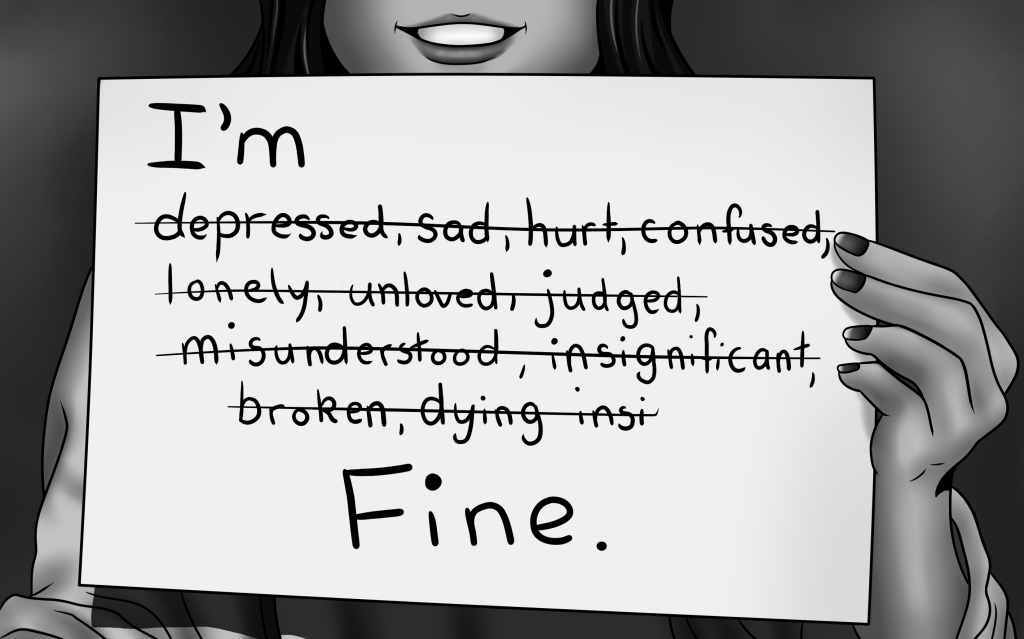
“I’m fine. It’s fine. Everything is fine.” So many of my clients have recited these words for so long they have forgotten how to acknowledge their real pain. I have found that people will quietly endure pain described in this psalm for weeks, months, or even years on end, until they finally become overwhelmed. This often takes the form of a divorce, an arrest, or a suicide attempt.

What do we do during the “day of trouble?” We cry aloud to God to find comfort, but for some reason, “my soul refuses to be comforted.” We lose sleep, and we cannot even describe the anguish we are in. On top of all of this, we experience a theological crisis: “God promised to never leave or forsake me, but now he has turned his back on me.”

Occasionally, clients will reveal that they have reached out to God during dark times, but they felt all they received was silence. They asked for relief from the pain but they feel forgotten. They are praying like they’ve never prayed before, but still their pain overwhelms. “Has God forgotten to be gracious?” (v. 9).

Perhaps that is the whole point. Scripture reminds us over and over that God is merciful and abounding in steadfast love (Exodus 34:6–7), that God never changes (Hebrews 13:8), and that God desires an intimate relationship with his people (Isaiah 43:1; Jeremiah 31:33). Scripture assures us that God is our everlasting hope. Because of these promises, I do not believe that God causes our suffering. I do believe He can certainly use our suffering so that we might “cry aloud to God,” “think of God,” and “meditate and search my spirit.” The psalmist reminds us that even amid our suffering, it is out of God’s character to spurn or abandon, to be unloving or to withhold compassion. Even on our darkest days, God is inseparable from his goodness and mercy. For that, as we draw ever closer to the cross, we can persevere.

Share this:

  • Click to share on X (Opens in new window) X
  • Click to share on WhatsApp (Opens in new window) WhatsApp
  • More
  • Click to share on Facebook (Opens in new window) Facebook
  • Click to print (Opens in new window) Print
  • Click to email a link to a friend (Opens in new window) Email
  • Click to share on LinkedIn (Opens in new window) LinkedIn
  • Click to share on Reddit (Opens in new window) Reddit
  • Click to share on Pinterest (Opens in new window) Pinterest
  • Click to share on X (Opens in new window) X
Like Loading...

Lent Day 27: Cover Me

19 Friday Mar 2021

Posted by Janean Tinsley in Lent

≈ 1 Comment

Tags

faith, God, Jesus Christ, Lent, sin

And He said to Adam, “Because you listened to your wife’s voice and ate from the tree about which I commanded you, ‘Do not eat from it’: The ground is cursed because of you. You will eat from it by means of painful labor all the days of your life. It will produce thorns and thistles for you, and you will eat the plants of the field. You will eat bread by the sweat of your brow until you return to the ground, since you were taken from it. For you are dust, and you will return to dust.” Adam named his wife Eve because she was the mother of all the living. The Lord God made clothing out of skins for Adam and his wife, and He clothed them. The Lord God said, “Since man has become like one of Us, knowing good and evil, he must not reach out, take from the tree of life, eat, and live forever.” So the Lord God sent him away from the garden of Eden to work the ground from which he was taken. He drove man out and stationed the cherubim and the flaming, whirling sword east of the garden of Eden to guard the way to the tree of life. — Genesis 3:17-24

When the world was created, God designed paradise for Adam and Eve. But unfortunately our beautiful paradise was destroyed by the introduction of sin. God pronounced judgment on sin, thus leaving us to feel consequences such as shame. In Genesis 3:21: “And the LORD God made for Adam and for his wife garments of skins and clothed them.”

God looked at their clothes and said, “Nope. That’s not going to work.” The clothes that Adam and Eve had made for themselves were not adequate covering to face the new fallen world in which they were now living. Sin had opened their eyes, but not in a good way. Sin laid them bare, left them feeling exposed. For the first time, they realized they were naked. So, they sewed fig leaves together and made themselves loincloths, single-piece garments. And ever since, the human race has engaged in an enterprise of self-covering that always falls short.

How often do we try to cover ourselves so that others cannot see our sinfulness? Covering sin is not simple, quick, and easy. Covering sin is costly, painful … bloody. Sin produces suffering and death, so the cost of covering sin involves suffering and death. It involves sacrifice.

Did Adam and Eve think they could just sweep things under the rug, tidy up the disastrous mess they had made without any cost, without any price being paid? Do we think that? When we try to cover our own sin, we are engaging in a futile self-salvation project. We are essentially saying, “I can atone for my own sin.”
God makes it very clear that sin requires the ultimate sacrifice. And then because of His profound love, he sent that sacrifice. Jesus Christ suffered and bled and died so that we could be adequately clothed—clothed in his righteousness. The blood of Jesus is our covering. Just like Adam and Eve, we can’t cover our own sin. God must do that, and he has made that possible with the costly sacrifice of his own Son. In light of this: “I will greatly rejoice in the LORD; my soul shall exult in my God, for he has clothed me with the garments of salvation; he has covered me with the robe of righteousness” (Is. 61:10).

Are you ready to have your sins covered by Jesus Christ? If so, let’s talk.

Share this:

  • Click to share on X (Opens in new window) X
  • Click to share on WhatsApp (Opens in new window) WhatsApp
  • More
  • Click to share on Facebook (Opens in new window) Facebook
  • Click to print (Opens in new window) Print
  • Click to email a link to a friend (Opens in new window) Email
  • Click to share on LinkedIn (Opens in new window) LinkedIn
  • Click to share on Reddit (Opens in new window) Reddit
  • Click to share on Pinterest (Opens in new window) Pinterest
  • Click to share on X (Opens in new window) X
Like Loading...
← Older posts

Topics

Facebook

Facebook

Recent Posts

  • A Turning Point
  • What Is Church Hurt? Breaking the Silence on Spiritual Wounds
  • Your Tears Matter
  • What’s Wrong With The World?
  • Betrayal Trauma and the Church

Archives

  • September 2025
  • August 2025
  • July 2024
  • August 2022
  • June 2022
  • May 2022
  • April 2022
  • February 2022
  • January 2022
  • September 2021
  • August 2021
  • July 2021
  • June 2021
  • May 2021
  • April 2021
  • March 2021
  • February 2021
  • January 2021
  • December 2020
  • November 2020
  • October 2020
  • September 2020
  • July 2020
  • June 2020
  • May 2020
  • April 2020
  • March 2020
  • January 2020
  • December 2019
  • August 2019
  • February 2019
  • May 2018
  • April 2016
  • December 2015
  • September 2015
  • May 2015
  • January 2015
  • September 2014
  • January 2014
  • December 2013
  • November 2013
  • August 2013
  • July 2013
  • September 2012
  • August 2012
  • May 2012
  • March 2012
  • January 2012
  • November 2011
  • October 2011
  • September 2011
  • RSS - Posts
  • RSS - Comments

Faithful Servant Ministries

Faithful Servant Ministries

Blog Stats

  • 13,801 hits

Blog at WordPress.com.

  • Subscribe Subscribed
    • Lord, have mercy…
    • Join 91 other subscribers
    • Already have a WordPress.com account? Log in now.
    • Lord, have mercy…
    • Subscribe Subscribed
    • Sign up
    • Log in
    • Report this content
    • View site in Reader
    • Manage subscriptions
    • Collapse this bar
 

Loading Comments...
 

    %d